
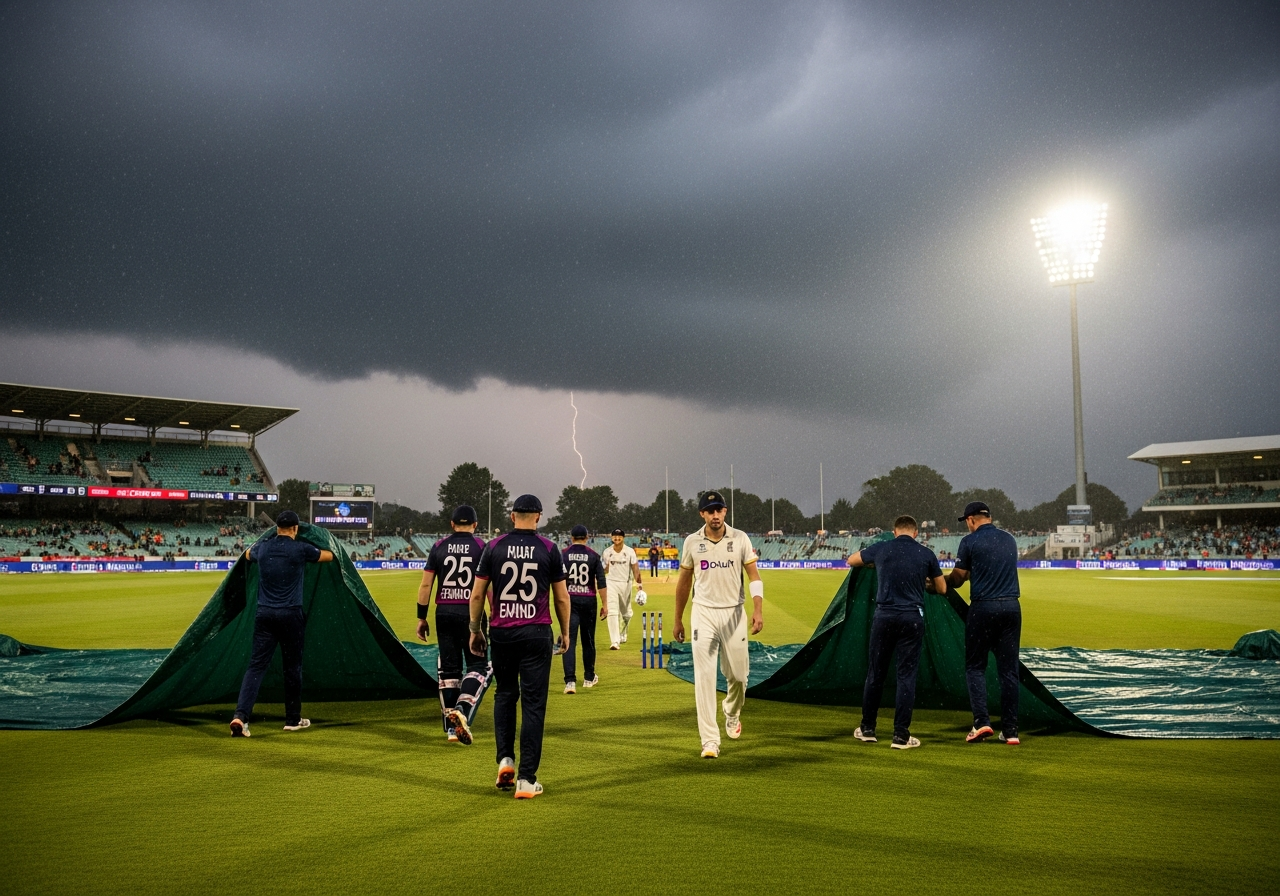
What happens to cricket bets when rain abandons match
Rain delays and match abandonments are among the most frustrating aspects of cricket betting, particularly in India where monsoon seasons can dramatically impact cricket schedules. When heavy downpours force match officials to abandon a cricket match, bettors are often left wondering what happens to their wagers and whether they’ll receive refunds or see their bets settled according to specific rules.
Understanding how different betting markets react to rain-affected matches is crucial for anyone placing cricket bets during India’s rainy seasons. Each type of bet – from match winners to individual player performances – follows distinct settlement rules that can significantly impact your potential returns. The complexity increases when considering various formats like Test matches, ODIs, and T20s, each with their own minimum play requirements.
Most reputable betting platforms follow standardized protocols when rain forces match abandonment, but subtle differences between operators can affect how your specific bets are handled. These variations make it essential to familiarize yourself with each bookmaker’s terms and conditions before placing any cricket wagers, especially during monsoon periods when rain abandonment becomes a genuine possibility.
Understanding Rain Abandonment in Cricket Betting
What Constitutes Match Abandonment
Match abandonment occurs when umpires and match officials determine that weather conditions make it impossible to continue or resume play, with no possibility of achieving a result. This differs from rain delays, where play is temporarily suspended but may resume later in the day or on reserve days.
For a match to be officially abandoned, the ground conditions must be deemed unfit for safe play, or insufficient time must remain to constitute a meaningful contest. In limited-overs cricket, this typically means falling below the minimum overs required for a valid match, while in Test cricket, abandonment usually occurs when multiple days are lost to weather.
The timing of abandonment plays a crucial role in bet settlement. Matches abandoned before the minimum play threshold is reached are generally treated differently from those abandoned after substantial play has occurred, affecting how various betting markets are resolved.
Minimum Play Requirements for Valid Matches
Different cricket formats have established minimum play requirements that determine whether a match is considered valid for betting purposes. In T20 cricket, each team must typically complete at least five overs for the match to be deemed official, while ODI matches usually require a minimum of 20 overs per side.
Test matches follow more complex rules, as they’re designed to be played over five days with no minimum overs requirement. However, if rain prevents any meaningful play from occurring across multiple days, the match may be declared abandoned, though this is relatively rare given the extended timeframe available.
These minimum thresholds are critical because they determine whether match winner bets are settled based on official results, declared void and refunded, or settled according to alternative methods like Duckworth-Lewis-Stern calculations in limited-overs formats.
Different Types of Bets and Rain Impact
Match Winner and Result Bets
Match winner bets are among the most straightforward to understand when rain causes abandonment. If the minimum play requirements are not met, these bets are typically declared void and stakes are returned to bettors. This protects both the betting operator and the customer from settling wagers on matches where no meaningful contest occurred.
When sufficient play has occurred to constitute a valid match, winner bets may be settled using revised target calculations or, in cases where a clear result emerges before abandonment, based on the official match result. The specific settlement method depends on the format and how much play was completed before abandonment.
Some betting platforms offer “match to be abandoned” markets, allowing bettors to wager specifically on weather-related abandonments. These specialized markets provide opportunities for informed bettors who closely monitor weather forecasts and ground conditions during monsoon periods.
Player Performance and Individual Bets
Individual player performance bets face more complex settlement scenarios when rain abandons matches. Top batsman, leading bowler, and player of the match markets typically require the specific player to have participated in the match for bets to stand, but abandonment can complicate these requirements.
If abandonment occurs after minimal play, most individual performance bets are declared void regardless of any runs scored or wickets taken. However, some operators may settle certain markets based on the play that did occur, particularly if substantial overs were completed before weather intervention.
Century and half-century bets on individual players are generally settled based on actual performance if the player had the opportunity to bat, even if the match is subsequently abandoned. This creates scenarios where these bets can be settled as winners or losers despite the overall match being voided.
Betting Platform Policies and Variations
Standard Industry Practices
Most established betting platforms follow similar protocols for rain-abandoned cricket matches, typically voiding bets when minimum play requirements aren’t met and settling based on official results when they are. These standardized approaches help maintain consistency across the betting industry and provide predictable outcomes for regular bettors.
The implementation of Duckworth-Lewis-Stern methods in limited-overs cricket has created more opportunities for official results even in rain-affected matches, reducing the frequency of complete abandonments. When these calculations produce valid results, betting platforms typically settle all markets based on these adjusted targets and outcomes.
Reserve day provisions in major tournaments further complicate settlement procedures, as some platforms may wait for reserve day play before settling bets, while others settle immediately upon initial abandonment. Understanding these differences becomes crucial when betting on high-profile tournaments during monsoon seasons.
Platform-Specific Differences
While core settlement principles remain consistent, individual betting platforms may have subtle variations in their rain abandonment policies. Some operators are more generous with voiding borderline cases, while others strictly adhere to minimum play requirements regardless of circumstances.
Certain platforms offer enhanced protection for specific bet types, automatically voiding accumulator bets that include rain-abandoned matches or providing alternative settlement options for affected customers. These customer-friendly policies can significantly impact your overall betting experience during weather-affected periods.
International betting sites may follow different regulatory requirements compared to domestic operators, potentially affecting how rain abandonment is handled. Reviewing the specific terms and conditions of your chosen platform ensures you understand exactly how your bets will be treated in abandonment scenarios.
Timing and Settlement Procedures
When Bets Are Settled After Abandonment
Settlement timing varies significantly depending on when abandonment occurs and whether reserve days or alternative arrangements exist. Most platforms settle void bets relatively quickly after official abandonment announcements, typically within hours of the decision being confirmed by match officials.
Bets that remain active due to sufficient play being completed may face longer settlement delays, particularly if final calculations or official confirmations are required. Tournament regulations and format-specific rules can extend these timeframes, especially for high-profile international matches.
Some betting markets may be settled incrementally, with clearly void bets processed immediately while others await final determinations. This staged approach helps bettors understand which of their wagers are affected and allows for quicker access to voided stake money.
Refund and Credit Processing
Voided bet refunds are typically processed using the same payment method used for the original deposit, though processing times vary by payment provider and betting platform. Most modern platforms credit voided stakes back to customer accounts immediately, allowing for immediate re-betting opportunities.
Withdrawal processing of refunded stakes generally follows the platform’s standard timeframes, ranging from instant transfers for digital wallets to several business days for traditional banking methods. Understanding these timelines helps manage expectations and plan future betting activities during uncertain weather periods.
Some platforms offer the option to leave voided stakes in betting accounts as credits for future wagers, potentially offering bonuses or enhanced odds for affected customers. These goodwill gestures can provide additional value for regular customers who experience multiple rain-related abandonments.
Strategies for Betting During Monsoon Season
Weather Monitoring and Risk Assessment
Successful betting during India’s monsoon season requires diligent weather monitoring and realistic risk assessment. Professional bettors often consult multiple weather services and local forecasts before placing significant wagers on matches scheduled during high-risk periods, adjusting their strategies accordingly.
Understanding regional weather patterns helps identify matches with higher abandonment risks. Coastal venues and areas with poor drainage typically face greater weather-related disruptions, making them less attractive for certain types of bets during monsoon periods.
Timing bets strategically around weather windows can minimize abandonment risks while still allowing participation in favorable betting opportunities. This approach requires patience and discipline but can significantly improve long-term results during weather-affected seasons.
| Cricket Format | Minimum Overs Required | Settlement Method | Typical Outcome |
|---|---|---|---|
| T20 Cricket | 5 overs per side | DLS or void if insufficient | Bets voided or settled on result |
| ODI Cricket | 20 overs per side | DLS calculation applied | Revised targets used |
| Test Cricket | No minimum overs | Based on actual play | Result or draw declared |
| Domestic T20 | 5 overs per side | Local rules applied | Varies by tournament |
Alternative Betting Markets
During high-risk weather periods, experienced bettors often shift focus to alternative markets less susceptible to abandonment issues. First innings totals, early wicket markets, and powerplay betting can provide entertainment and potential profits even if matches don’t reach completion.
Live betting opportunities may emerge during rain delays, with odds fluctuating based on revised forecasts and ground conditions. These dynamic markets require quick decision-making and constant weather monitoring but can offer unique value propositions for informed bettors.
Some platforms introduce special weather-related markets during monsoon seasons, including “match to be completed” bets and over/under rain delay minutes. These novelty markets acknowledge the weather challenges while providing additional betting opportunities for risk-tolerant customers.
Legal and Regulatory Considerations
Rain abandonment policies in cricket betting operate within broader regulatory frameworks governing online gambling in India. State-specific regulations may influence how betting platforms handle voided bets and customer refunds, creating potential variations in settlement procedures across different jurisdictions.
Consumer protection laws generally support the voiding of bets when sporting events cannot be completed due to circumstances beyond organizers’ control. This legal backing provides additional security for bettors affected by weather-related abandonments, ensuring fair treatment regardless of platform policies.
International betting operators serving Indian customers must navigate complex regulatory environments while maintaining compliance with their primary licensing jurisdictions. This dual compliance requirement can influence abandonment policies and settlement procedures, potentially affecting customer experiences during weather-disrupted periods.
Understanding the regulatory landscape helps bettors make informed decisions about platform selection and bet placement strategies during monsoon seasons. Platforms with strong regulatory backing and transparent policies generally provide more reliable experiences when weather-related issues arise.