
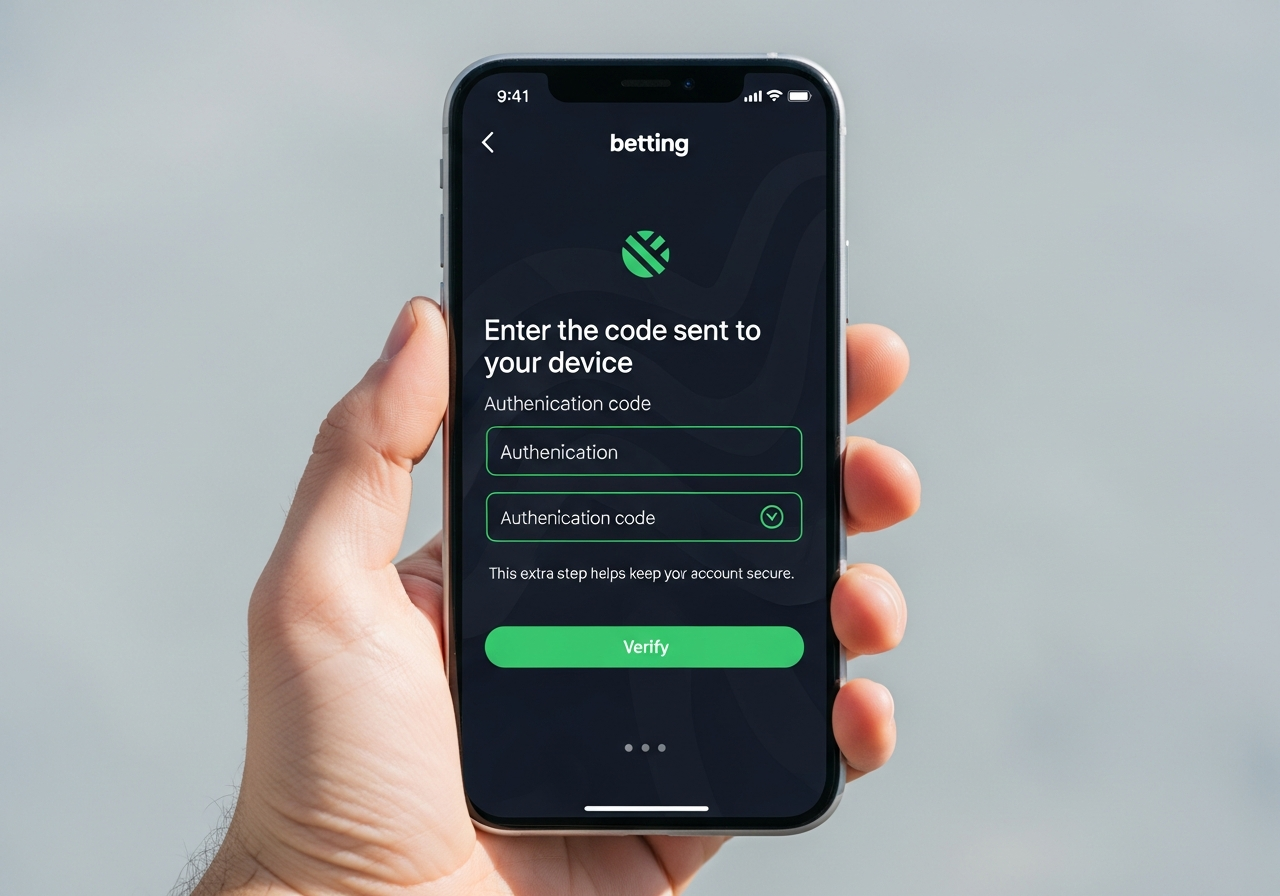
Enabling two-factor authentication on betting apps
Cyber threats against Indian betting accounts are surging at an unprecedented rate, with credential stuffing attacks increasing by over 200% in the past year alone. As online gambling continues to boom across India, hackers are exploiting weak security practices to drain accounts and steal personal information. Two-factor authentication (2FA) has emerged as the most effective defense against these sophisticated attacks, providing an additional security layer that can prevent unauthorized access even when passwords are compromised.
The importance of 2FA extends beyond simple account protection in the Indian context, where strict Know Your Customer (KYC) regulations require betting platforms to maintain robust security standards. With phishing scams targeting Indian bettors becoming increasingly sophisticated and SIM hijacking incidents on the rise, enabling 2FA is no longer optional—it’s essential. This comprehensive guide will walk you through enabling 2FA on popular Indian betting apps, compare different authentication methods, and provide expert recommendations tailored specifically for the Indian market.
Why 2FA is Essential for Indian Betting Apps
The Indian online betting landscape faces unique security challenges that make two-factor authentication absolutely critical for user protection. Cybercriminals specifically target Indian betting accounts through sophisticated phishing campaigns, brute force attacks, and credential stuffing operations that exploit data breaches from other platforms. These threats have intensified as more Indians embrace digital betting, creating a lucrative target for hackers seeking to exploit weak account security.
Beyond protecting individual users, 2FA implementation helps betting platforms comply with India’s stringent regulatory requirements and KYC guidelines. The regulatory framework demands robust fraud prevention measures, making 2FA not just a security best practice but often a compliance necessity. For betting staff and platform administrators, 2FA provides an additional safeguard against internal threats and ensures that sensitive user data remains protected according to Indian data protection standards.
Regulatory Requirements in India
- KYC Integration: 2FA must work seamlessly with mandatory identity verification processes required by Indian gaming regulations
- Age Verification Compliance: Enhanced authentication helps ensure only verified adults can access betting platforms, meeting strict age-related requirements
- State-Level Gambling Laws: Different states have varying security mandates that 2FA implementation helps platforms navigate and comply with uniformly
- Fraud Prevention Statistics: Platforms with 2FA report 95% fewer successful account takeovers compared to those relying solely on password protection
- Data Protection Standards: 2FA supports compliance with India’s emerging data privacy regulations by adding verified access controls
- Anti-Money Laundering (AML): Enhanced authentication helps betting platforms meet AML requirements by ensuring transaction authenticity
Common Threats Without 2FA
Phishing attacks represent the most prevalent threat to Indian betting accounts, with scammers creating convincing replicas of popular betting platforms to steal login credentials. These attacks often target users through SMS messages claiming urgent account verification needs or fake promotional offers that redirect to malicious login pages. Without 2FA protection, stolen credentials provide immediate account access, allowing hackers to withdraw funds and access personal information.
Brute force attacks and credential stuffing pose equally serious risks, with automated tools attempting thousands of password combinations per minute against Indian betting accounts. Credential stuffing specifically exploits password reuse habits, where hackers use leaked credentials from data breaches to access betting accounts. These automated attacks can succeed within minutes against unprotected accounts, making 2FA the only reliable defense against such systematic intrusion attempts.
Types of 2FA Methods Available
Understanding the various 2FA methods available helps Indian bettors choose the most secure and convenient option for their needs. Each authentication method offers different levels of security, convenience, and suitability for the Indian market’s unique technological landscape. The choice between SMS-based authentication, authenticator apps, or hardware tokens can significantly impact both security effectiveness and user experience.
| Method | Pros | Cons | Security Level | India Suitability |
|---|---|---|---|---|
| SMS OTP | Universal compatibility, no app required | SIM hijacking risk, network dependency | Medium | Good for basic users |
| Email OTP | Easy setup, works offline | Email account vulnerability, delayed delivery | Low-Medium | Moderate due to email security issues |
| Authenticator Apps | Offline generation, high security | Device dependency, setup complexity | High | Excellent for tech-savvy users |
| Hardware Tokens | Maximum security, device independent | Additional cost, physical device required | Very High | Limited due to availability and cost |
| Biometric Authentication | Unique identification, convenient | Device compatibility, privacy concerns | High | Growing adoption with smartphone penetration |
| Push Notifications | User-friendly, instant approval | Requires internet, app-specific | Medium-High | Good for frequent mobile users |
Authenticator Apps vs SMS in India
Authenticator applications like Google Authenticator, Microsoft Authenticator, and Authy represent the gold standard for 2FA security in India, offering significant advantages over SMS-based authentication. These apps generate time-based one-time passwords (TOTP) locally on your device, eliminating the need for network connectivity and protecting against SIM hijacking attacks that have become increasingly common across Indian mobile networks. The offline nature of authenticator apps ensures reliable access even during network outages or when traveling to areas with poor cellular coverage.
SIM hijacking poses a particularly serious threat in India, where fraudsters can easily obtain duplicate SIM cards by impersonating victims at mobile service centers. This vulnerability makes SMS-based 2FA inherently risky for Indian users, as attackers who successfully hijack a SIM card can intercept authentication codes and gain immediate account access. Security experts specifically recommend against SMS-based 2FA for high-value accounts like betting platforms, especially given the sophisticated social engineering tactics used by Indian cybercriminals.
For Indian users, the recommended authenticator apps include Google Authenticator for its simplicity, Microsoft Authenticator for its cloud backup features, and Authy for its multi-device synchronization capabilities. These apps work reliably across all Android and iOS devices commonly used in India, and most support backup and recovery features that prevent permanent account lockouts if your primary device is lost or damaged.
Step-by-Step Guide to Enable 2FA
- Access Account Settings: Log into your betting app using your username and password, then navigate to the “Account Settings” or “Security Settings” section, typically found in the main menu or profile area
- Locate 2FA Options: Look for “Two-Factor Authentication,” “2FA,” “Multi-Factor Authentication,” or “Security Verification” settings, which may be under a dedicated “Security” or “Privacy” subsection
- Choose Authentication Method: Select your preferred 2FA method from available options, with authenticator apps recommended over SMS for enhanced security in the Indian context
- Install Authenticator App: If choosing app-based authentication, download and install Google Authenticator, Microsoft Authenticator, or Authy from your device’s official app store
- Scan QR Code: Use your authenticator app to scan the QR code displayed on the betting platform, or manually enter the setup key if QR scanning isn’t available
- Verify Setup: Enter the 6-digit code generated by your authenticator app to confirm successful 2FA configuration and save your settings
- Save Backup Codes: Download and securely store the backup recovery codes provided by the platform, keeping them in a safe location separate from your mobile device
Troubleshooting Common Issues
- Time Synchronization Problems: Ensure your mobile device’s clock is accurately synchronized, as authenticator apps rely on precise time for code generation
- Lost Authenticator Access: Use the backup codes you saved during setup to regain account access, then reconfigure 2FA with a new device or app
- Code Not Working: Wait for the current code to expire and try the next generated code, as timing issues can cause validation failures
- App Sync Failures: Clear your authenticator app’s cache or reinstall the application if persistent synchronization problems occur
- Multiple Device Setup: For apps like Authy, ensure you’re logged into the same account across all devices to maintain code synchronization
- Network Connectivity Issues: Switch to authenticator apps instead of SMS if you’re experiencing consistent network-related authentication delays
Platform-Specific Setup for Stake
- Navigate to Security Settings: In Stake’s interface, access the security section through your profile menu, then select “Two-Factor Authentication” from the available security options
- Choose TOTP Method: Stake typically offers both SMS and app-based authentication, with the TOTP (app) method strongly recommended for Indian users due to enhanced security
- Complete Verification Process: Follow Stake’s specific verification workflow, which includes entering your current password and confirming your email address before enabling 2FA
- Test Authentication: Stake requires immediate testing of your 2FA setup, so have your authenticator app ready to generate and enter verification codes during configuration
Top Indian Betting Apps with 2FA Support
| App Name | 2FA Methods | Ease of Setup | India Availability | Extra Security |
|---|---|---|---|---|
| Stake | SMS, TOTP, Email | Very Easy | Full Access | Session management, IP monitoring |
| Parimatch | SMS, Authenticator | Easy | Available | Biometric login options |
| 1xBet | SMS, Email, TOTP | Moderate | Available | Device fingerprinting |
| Bet365 | SMS, Authenticator | Easy | Limited Regions | Advanced fraud detection |
| Betway | SMS, Email | Very Easy | Available | Login notifications |
| LiveScore Bet | SMS, Push notifications | Easy | Available | Behavioral analysis |
| Dafabet | SMS, TOTP | Moderate | Full Access | Withdrawal verification |
Comparison of Setup Times
Most betting apps require approximately 2-5 minutes to complete 2FA setup, with simpler SMS-based authentication typically taking the least time and app-based TOTP setup requiring slightly more effort. Stake leads in user experience with their streamlined 2-3 minute setup process that includes clear visual guides and immediate testing capabilities. Parimatch and LiveScore Bet follow closely with similarly efficient workflows that minimize user confusion during the authentication configuration process.
More complex platforms like 1xBet and Dafabet may require 4-5 minutes for complete 2FA setup due to additional verification steps and more detailed security questionnaires. However, this extra time investment often translates to more robust security features and better integration with KYC requirements specific to Indian regulations. The setup time investment is minimal compared to the ongoing security benefits and peace of mind that 2FA provides for protecting valuable betting accounts.
Best Practices for 2FA on Betting Apps
- Use Separate Authentication for Admin Access: Betting platform administrators should implement hardware tokens or dedicated authenticator apps separate from standard user authentication methods
- Enable IP-Based Restrictions: Configure geographic restrictions that require additional verification for login attempts from outside India or your typical betting locations
- Implement Time-Based Access Controls: Set up authentication policies that restrict account access to specific hours when you typically engage in betting activities
- Choose Cloud-Based Authenticators: Select authenticator apps with secure cloud backup capabilities like Microsoft Authenticator or Authy to prevent permanent lockouts from device loss
- Regular Security Audits: Review your 2FA settings monthly and update backup codes quarterly to maintain optimal account security
- Multi-Device Authentication Setup: Configure 2FA on multiple trusted devices to ensure account access even if your primary device becomes unavailable
- Secure Backup Code Storage: Store backup authentication codes in encrypted password managers or secure physical locations, never in plain text on your devices
Advanced Security Layers
Modern betting apps increasingly incorporate biometric authentication as an additional security layer beyond traditional 2FA, with fingerprint and facial recognition becoming standard features on Indian smartphones. These biometric methods provide convenient yet secure access that’s particularly effective for mobile betting, as they eliminate the need to remember codes while maintaining high security standards. Many apps now support combining biometric authentication with traditional 2FA for maximum protection.
PIN-based app locks offer another valuable security layer that protects against unauthorized access even if someone gains physical access to your unlocked device. Leading betting apps allow users to set custom PINs that must be entered each time the application launches, creating an immediate barrier against casual snooping or theft-related access attempts. This feature proves especially valuable in shared household environments or when using betting apps in public spaces.
2FA Solutions for Betting Platforms
Betting platforms seeking to implement robust 2FA solutions have access to various specialized providers that cater specifically to the gaming industry’s unique requirements. These solutions must balance user convenience with security effectiveness while meeting the regulatory compliance standards required for Indian market operations. The choice of 2FA provider significantly impacts both user experience and the platform’s ability to prevent fraudulent account access.
| Provider | Key Features | Integration Ease | Cost Model |
|---|---|---|---|
| Protectimus | Hardware tokens, TOTP, SMS, API integration | High – REST API available | Per-user monthly subscription |
| SAASPASS | Proximity login, biometrics, push notifications | Medium – Custom integration required | Tiered pricing by features |
| Authy for Business | TOTP, push auth, phone verification | Very High – SDK and plugins | Usage-based pricing |
| RSA SecurID | Enterprise tokens, risk analytics, SSO | Medium – Enterprise setup required | Enterprise licensing |
| Okta | Universal directory, adaptive MFA, reporting | High – Pre-built connectors | Per-user monthly fee |
Choosing OTP Tokens
- Software-Based Authenticators: Apps like Google Authenticator and Microsoft Authenticator offer free, reliable TOTP generation suitable for most Indian betting platform users
- Hardware Security Keys: YubiKey and similar physical devices provide maximum security for high-value accounts but require additional investment and user education
- SMS-Based Tokens: While convenient, SMS tokens carry SIM hijacking risks particularly relevant in the Indian market and should be avoided for high-security applications
- Push Notification Systems: Modern push-based authentication offers excellent user experience with strong security, ideal for mobile-first Indian betting platforms
- Biometric Integration: Combining traditional tokens with fingerprint or facial recognition provides layered security particularly effective on Indian smartphone platforms
India-Specific Integration
Successful 2FA implementation in India requires tight integration with mandatory KYC processes, ensuring that authentication systems work seamlessly with identity verification workflows required by Indian gambling regulations. Platforms must ensure that 2FA setup occurs after KYC completion, with authentication methods tied to verified mobile numbers and email addresses to maintain regulatory compliance. This integration helps prevent account takeovers that could compromise KYC data integrity.
The integration must also account for India’s diverse linguistic landscape, with 2FA interfaces supporting regional languages and clear instructions that accommodate users with varying technical literacy levels. Successful platforms implement progressive authentication that starts with simple SMS methods for new users and gradually introduces more secure options like authenticator apps as users become more comfortable with the platform and technology.
Managing and Recovering 2FA
Proper 2FA management extends beyond initial setup to include comprehensive backup strategies and recovery procedures that prevent permanent account lockouts. Indian users should maintain backup codes in secure, offline locations and understand the recovery process specific to their chosen betting platforms. Effective 2FA management requires regular maintenance of authentication methods, including periodic testing of backup codes and updating contact information used for account recovery.
Cloud synchronization features available in modern authenticator apps like Authy and Microsoft Authenticator provide seamless device transitions while maintaining security standards. These services securely backup authentication secrets encrypted with user-controlled master passwords, enabling easy restoration when switching devices or recovering from hardware failures. However, users must balance convenience with security by using strong master passwords and enabling additional verification for cloud backups.
When transferring 2FA to new devices, the recommended approach involves setting up the new device before disabling the old one, ensuring continuous account access throughout the transition. Most betting platforms allow temporary dual-device authentication during transitions, providing a safety net that prevents accidental lockouts during device upgrades or replacements.
What to Do If Locked Out
- Use Backup Codes Immediately: Enter one of your saved backup codes to regain immediate account access, then reconfigure your 2FA settings with your new or restored device
- Contact Platform Support: Reach out to your betting platform’s customer service through their official channels, providing your account details and explaining the authentication failure
- Provide Identity Verification: Be prepared to submit KYC documents or answer security questions to prove your identity during the account recovery process
- Follow Platform Recovery Procedures: Each betting platform has specific recovery workflows that may include waiting periods or additional verification steps for security purposes
- Reconfigure Security Settings: Once access is restored, immediately set up new 2FA methods and generate fresh backup codes to prevent future lockouts
Future of 2FA in Indian Betting
The evolution of 2FA in Indian betting is moving toward mandatory implementation across all platforms, driven by increasing regulatory pressure and growing security awareness among users. Industry experts predict that by 2026, most Indian states will require multi-factor authentication for all online betting platforms, making 2FA a compliance necessity rather than an optional security feature. This regulatory shift will standardize security practices across the industry and provide consistent protection for Indian bettors.
| Trend | Impact on Users | India Relevance |
|---|---|---|
| Mandatory MFA Requirements | Universal 2FA adoption, improved security standards | High – regulatory compliance driving adoption |
| AI-Powered KYC Integration | Seamless verification, reduced fraud | Very High – addresses Indian identity verification needs |
| Biometric Authentication Expansion | Convenient, secure access without passwords | High – smartphone penetration enabling adoption |
| Passkey Implementation | Passwordless authentication, enhanced UX | Medium – dependent on device support adoption |
Emerging Technologies
Passkey technology represents the next evolution in authentication, offering passwordless login experiences that eliminate traditional password vulnerabilities while maintaining strong security. These cryptographic keys stored locally on devices provide seamless authentication experiences that work across platforms and devices, making them particularly attractive for Indian users who frequently switch between mobile and desktop betting. Major platforms are beginning to implement passkey support as browsers and mobile operating systems expand compatibility.